THE CENSUS
Who lived where
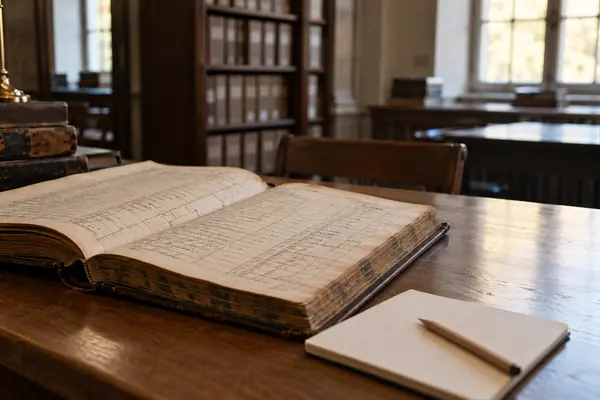
A head count of everyone on one night, every ten years since 1801 except 1941. The 1841 census was the first to list every individual by name.
Pick a record doodlerecords
WHAT THE NATIONAL ARCHIVES SAYS
Your ancestors were counted, one Sunday night at a time.
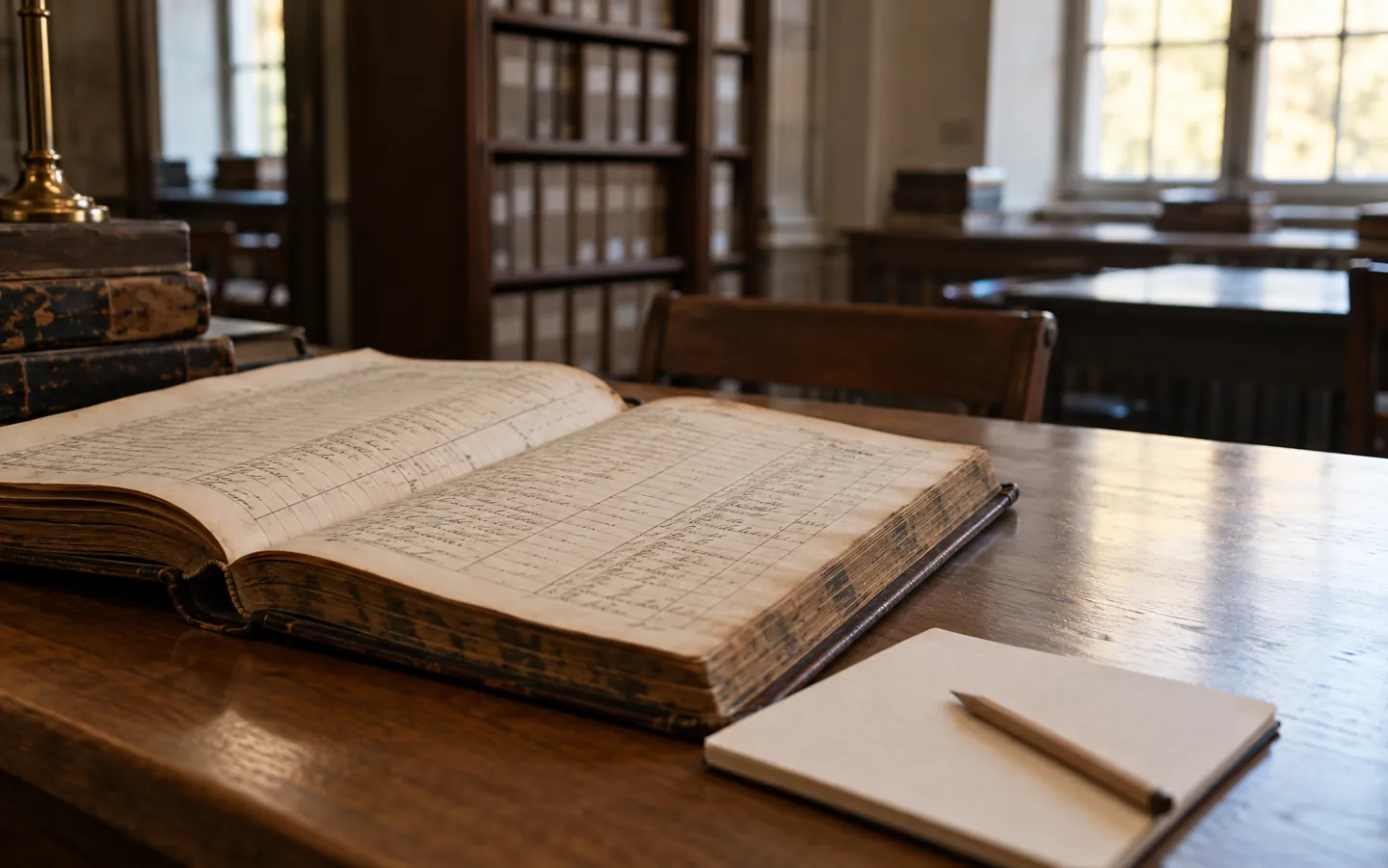
1841 first census to name everyone
≈ 40 million People recorded on 29 September 1939
For family history in England and Wales, three kinds of record do most of the work: the census, taken every ten years; certificates of births, marriages and deaths since 1837; and the 1939 Register. Each one answers different questions.
THE SHORT ANSWER
Who lived where, when were they born, married or died,
and what were they doing in 1939?
THE CENSUS
A head count of everyone on one night, every ten years since 1801 except 1941. The 1841 census was the first to list every individual by name.
Pick a recordCERTIFICATES
Certificates for England and Wales since 1 July 1837 come from the General Register Office. Before that date, look for parish registers in local archives.
Where to startADDRESSES
The 1841 census asked only for a place. From 1851 an exact address was required, including the house name or number, so you may be able to find the street today.
See the numbersA QUICK RECORD CHECK
Pick a record to see what it says about each person. The bar shows how much personal detail it holds compared with the others.
Based on The National Archives research guides to census records and the 1939 Register.
TRACING A FAMILY LINE
These steps follow the research guides of The National Archives and GOV.UK guidance on certificates.
Search birth, marriage and death indexes from 1837, for example on FreeBMD, to get the district and reference.
Certificates come from the General Register Office or a local register office. With a GRO index reference a certificate costs £12.50.
Censuses from 1841 to 1921 are free to search online and free to view at The National Archives in Kew.
For earlier births, marriages and deaths, look for parish registers in local archives.
TWO NUMBERS WORTH KNOWING
The 1939 Register was taken weeks into the war.
The 1931 census did not survive it.
≈ 40 million
People recorded on 29 September 1939
Taken to produce identity cards and later ration books, the 1939 Register holds details of around 40 million civilians in more than 65,000 volumes.
1939 REGISTER
2
Census years with no surviving returns
The 1931 census for England and Wales was destroyed by fire in 1942, and no census was taken in 1941 because of the Second World War.
THE MISSING DECADES
Censuses after 1921 are held by the Office for National Statistics and stay closed to the public for 100 years after they were taken.
WHY SOMEONE IS MISSING
The census aimed to count everyone once and nobody twice, wherever they slept on census night, which was always a Sunday. Someone working away, visiting or in an institution may appear far from home.
Before 1911, household forms were copied into enumeration books and most originals destroyed, so what you see online is a copy. In 1911 the household forms themselves were kept for the first time.
QUESTIONS PEOPLE ASK
A census has been taken in England and Wales every ten years since 1801, except 1941. But 1841 was the first to list the names of every individual.
The 1931 census for England and Wales was destroyed by fire in 1942. No census was taken in 1941 because of the Second World War.
Civil registration of births, marriages and deaths in England and Wales began on 1 July 1837. Before that, look for parish registers.
Through the General Register Office, a certificate costs £12.50 if you have the GRO index reference. Searching without one costs £3.50 extra.
In the 1841 census, ages of people aged 15 or over were rounded down to the nearest five years, so a 37-year-old may appear as 35.
The National Archives says the record of anyone born less than 100 years ago is closed unless they are known to have died. A record can stay closed even after a death if that death was not notified and recorded in the Register; deaths outside the United Kingdom, including most Second World War deaths, are unlikely to have been.
The Register was kept up to date while National Registration was in force, until 1952, and the NHS went on updating it until 1991. Changes of name were recorded, mostly women's surnames on marriage or remarriage, and most appear in the indexes, so you can search by the 1939 name or a later one.
Yes, in person. The National Archives says the censuses from 1841 to 1921 can be viewed free at Kew, and 1841 to 1911 at many libraries, record offices and FamilySearch Centres. Searching the commercial sites is free, but viewing full results and images costs money; FamilySearch has free indexes up to 1911.
Updated
ABOUT THIS NAME
doodlerecords.com is part of the DoodleSale portfolio. Check the current listing and available purchase or lease options.